
What We Treat
Low Energy Support
Low energy can make ordinary days feel harder. Understanding how energy affects your body, your focus, and your daily routine is an important first step toward feeling more like yourself.
Licensed providers
Online evaluation
Home delivery if prescribed

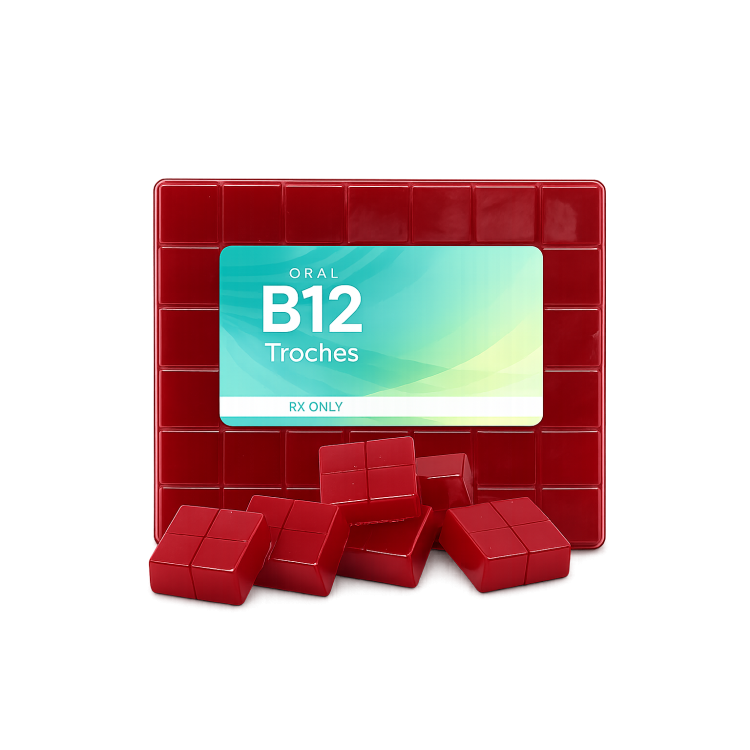

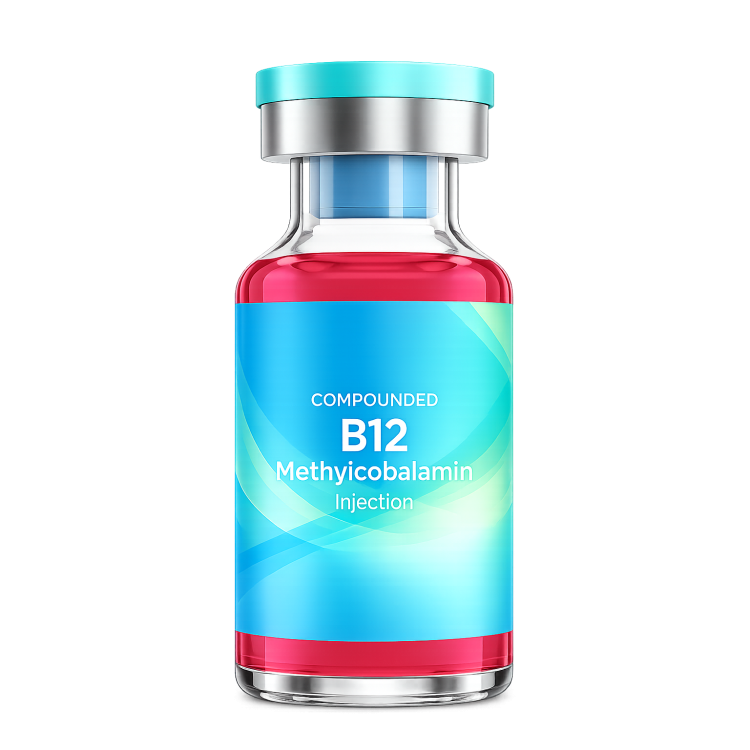
Available Options
Explore low energy support
Select an option to view complete product information and program details.
Understanding Energy
Energy supports nearly every part of daily life.
It helps us think clearly, move through the day, recover from activity, and stay engaged with the people and routines that matter to us.
Your body is always using energy—even when you are resting. Your brain, heart, muscles, and other organs all depend on a steady supply of energy to do their work. How energized you feel can shape your concentration, motivation, physical activity, and overall sense of well-being.
An occasional tired day is normal. Low energy becomes more meaningful when it persists, keeps returning, or begins to interfere with work, exercise, relationships, or everyday responsibilities.
Low energy is personal. For one person it may feel like physical heaviness. For another it may show up as difficulty concentrating, reduced motivation, or needing more time to recover.
Routine movement or exercise may feel more demanding than usual.
It may be harder to concentrate, organize thoughts, or stay engaged.
Starting tasks or following through on plans may take more effort.
You may feel as though rest does not restore you as fully as expected.
The Bigger Picture
Why energy levels can change
Energy is influenced by many parts of health and daily life. Looking at the whole picture helps create a more useful conversation than focusing on tiredness alone.
The amount and quality of rest can affect how restored you feel during the day.
Regular nourishment, hydration, and activity all help support everyday energy.
Stress, medications, changing routines, and underlying concerns can also influence energy.
When to Check In
Persistent low energy deserves attention.
Because low energy can have many causes, a licensed provider can help review your symptoms, health history, medications, and goals before determining what next steps may be appropriate.
- Low energy continues despite adequate rest
- Your energy has changed noticeably or unexpectedly
- Tiredness is interfering with normal daily activities
- You are experiencing additional or worsening symptoms
Medical information: Low energy can have many causes and may require medical evaluation. This page is educational and is not medical advice. Treatments require consultation with a licensed provider and are prescribed only when medically appropriate. Individual results vary. Seek prompt medical care for severe, sudden, or worsening symptoms.